
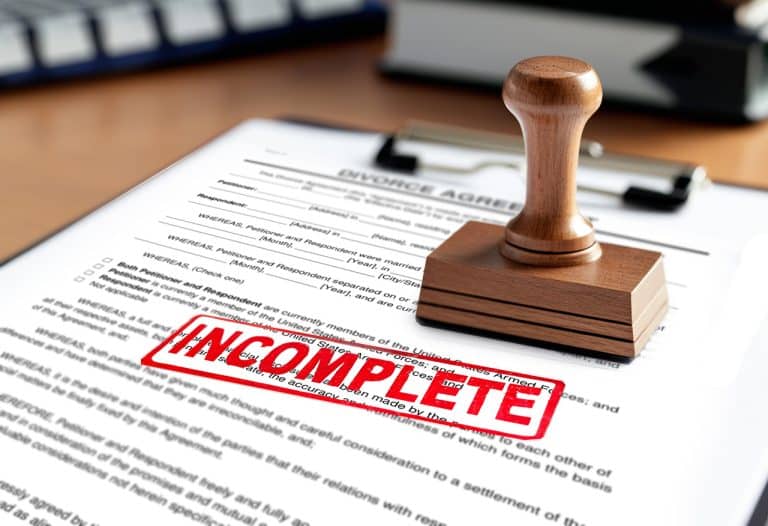
People often assume that if something was not said or documented, it will simply be ignored. In legal proceedings, silence and missing information are not always neutral. Courts may evaluate what is absent just as carefully as what is present.
Understanding how courts treat silence, gaps, and missing details helps explain why incomplete records or unanswered issues can affect case outcomes.
Silence Is Not Always Neutral
In some situations, silence can carry meaning. Courts may examine whether a party had a duty to speak or respond and failed to do so.
When a response would reasonably be expected, silence may be viewed as acceptance, waiver, or acknowledgment, depending on the legal context.
Missing Information Can Weaken a Case
Gaps in documentation or testimony can undermine credibility. Courts rely on evidence to establish facts, and missing information may raise questions about reliability or completeness.
Even when the existing facts are accurate, the absence of supporting details can limit how far a claim or defense can go.
Courts Evaluate Gaps in Context
Not all missing information is treated the same way. Courts consider why information is absent and whether it should reasonably exist.
A gap caused by lost records may be treated differently than a gap created by a failure to document or explain key events.
Silence May Affect Burdens and Inferences
In some circumstances, silence can shift how courts evaluate evidence. A lack of explanation or response may allow the court to draw inferences based on the surrounding facts.
These inferences do not replace proof, but they can influence how evidence is weighed.
Incomplete Records Limit Legal Arguments
Legal arguments are constrained by the available record. When information is missing, courts may be unable to consider certain issues or theories.
This limitation applies even when the missing information seems important to one or both parties.
Why Completeness Matters in Legal Disputes
Because courts rely on what is presented, silence and gaps can shape outcomes in subtle but significant ways. The absence of information may narrow the issues a court can address.
Recognizing how courts treat missing details helps explain why thorough documentation and clear communication matter in legal disputes.
