
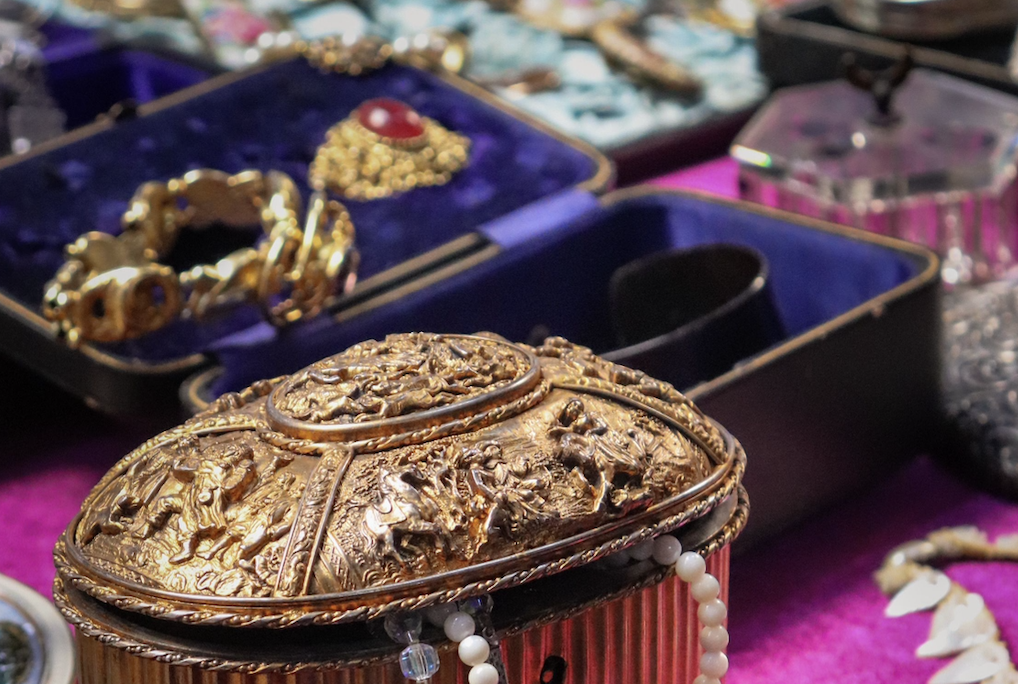
Jewelry can hold significant financial and sentimental value, making it a common source of disagreement during estate administration. Disputes may arise when family members disagree about who should receive particular pieces or whether certain items were promised to someone before the owner’s death.
In California, courts examine wills, trusts, ownership records, and other evidence when resolving disputes over inherited jewelry. The outcome often depends on whether the jewelry belongs to the estate, how the deceased intended it to be distributed, and whether competing claims are legally supported.
How Wills and Trusts Determine Jewelry Inheritance
Wills and trusts may contain instructions identifying who should receive specific jewelry. Some estate plans distribute individual pieces to named beneficiaries, while others include jewelry within a broader category of personal property.
Courts examine the language of these documents to determine whether the deceased provided clear instructions. When provisions are ambiguous or appear inconsistent, additional evidence may be considered under applicable California probate law.
When Family Members Claim Promised Jewelry
Disputes sometimes arise when a family member claims that the deceased verbally promised them a particular necklace, ring, or other valuable item. These disagreements may become especially complicated when the jewelry is assigned to someone else under an estate plan.
Courts consider whether the alleged promise created an enforceable legal right. Statements from relatives, written communications, and evidence of the deceased’s actions may be relevant, but a verbal promise alone does not necessarily establish ownership.
How Courts Determine Whether Jewelry Was Gifted
A person may claim that jewelry was given to them before the original owner’s death and therefore should not be included in the estate. Other beneficiaries may argue that the item was merely loaned or remained the deceased’s property.
Under California law, a valid lifetime gift generally requires donative intent, delivery, and acceptance. Courts may examine photographs, correspondence, possession of the jewelry, and other evidence to determine whether a completed gift occurred.
How Courts Evaluate Jewelry Ownership Records
Jewelry ownership can be difficult to establish when items have been passed between family members over several generations. Receipts, appraisals, insurance records, and photographs may help identify particular pieces and document their history.
Courts evaluate these records alongside testimony and other available evidence. Although possession may support an ownership claim, it does not automatically establish that the person holding the jewelry has the legal right to keep it.
What Happens When Inherited Jewelry Goes Missing
Disputes may develop when jewelry listed in an estate inventory cannot be located or when a beneficiary believes another person improperly removed it. Executors and administrators have duties to identify and safeguard estate property during administration.
Courts may examine inventory records, communications, and evidence concerning the jewelry’s location. Depending on the circumstances, California probate law provides procedures for investigating property claims and seeking recovery of assets that belong to an estate.
How Courts Resolve Competing Inheritance Claims
When multiple beneficiaries claim the same jewelry, courts evaluate the estate planning documents, evidence of ownership, and any legally recognized gifts or transfers. The court may also consider whether the personal representative properly carried out the deceased’s instructions.
Depending on the evidence and applicable law, a dispute may result in a determination of ownership, an order concerning the return of property, or another appropriate remedy. Clear estate planning instructions and accurate property records can help reduce disagreements over valuable personal belongings.
