
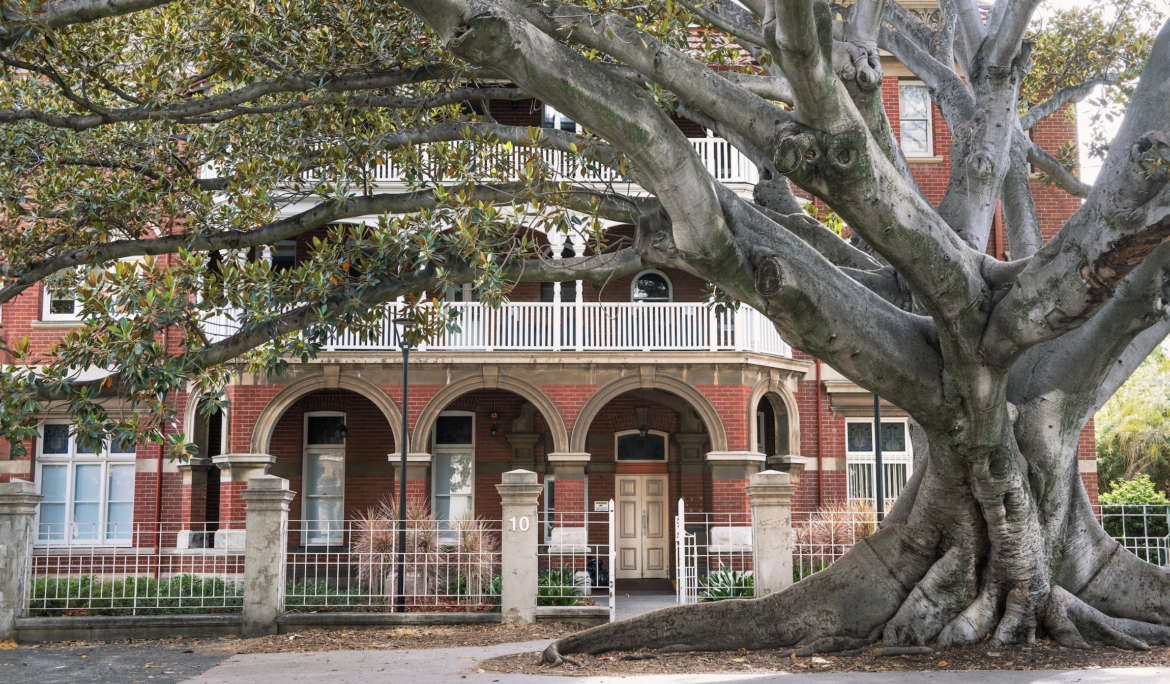
Trees growing near property boundaries can sometimes cause damage when their roots extend onto neighboring land. These roots may interfere with sidewalks, driveways, foundations, or underground plumbing, leading to disagreements between property owners.
In California, tree root damage disputes often involve questions about property rights, responsibility for repairs, and whether a neighboring property owner acted reasonably. Courts examine the circumstances of the damage, applicable property laws, and evidence of the tree’s impact.
Understanding Tree Root Damage Disputes
Tree roots naturally spread beyond the visible boundaries of a tree’s trunk and branches. When roots cross property lines, they may affect structures or landscaping belonging to neighboring property owners.
California law recognizes certain rights to protect property from encroaching vegetation. However, disputes may arise when efforts to remove roots could damage the tree or when property owners disagree about responsibility for resulting damage.
Determining Responsibility for Property Damage
A property owner may seek compensation when roots from a neighboring tree cause measurable damage. Common examples include cracked pavement, damaged retaining walls, or interference with underground pipes.
Courts consider whether the tree owner had notice of the problem and whether reasonable steps could have prevented the damage. Responsibility depends on the specific circumstances rather than simply which property contains the tree.
Evaluating Evidence of Root Damage
Establishing that tree roots caused property damage can be an important part of a legal dispute. Cracked concrete or damaged plumbing may have several possible causes, making supporting evidence necessary.
Courts may review photographs, inspection reports, repair estimates, and opinions from arborists or other qualified professionals. This evidence can help determine whether roots caused the damage and how extensive the resulting losses were.
Rights to Remove Encroaching Roots
California property owners generally have certain rights to address roots extending onto their land. However, those rights are not unlimited, particularly when removal could seriously damage or destroy a neighboring tree.
Disputes may arise when one homeowner cuts roots without considering the consequences for the tree’s health or stability. Courts may examine whether the actions taken were reasonable and whether they caused unnecessary harm.
Disputes Involving Shared Property Boundaries
Tree root problems can become more complicated when trees grow close to property lines or when ownership of the affected area is disputed. Neighbors may disagree about who should arrange inspections, repairs, or preventative maintenance.
Courts may examine surveys, property records, and evidence of the tree’s location. They also consider whether the parties had any agreements concerning maintenance or responsibility for shared areas.
Legal Remedies for Tree Root Damage
When tree roots cause legally actionable property damage, affected owners may seek compensation for reasonable repair costs or other proven losses. In some circumstances, a property owner may also request relief intended to prevent continuing damage.
Courts evaluate the evidence, the conduct of the parties, and the nature of the interference before determining appropriate remedies. The outcome depends on the extent of the damage and the legal responsibilities established in the case.
