
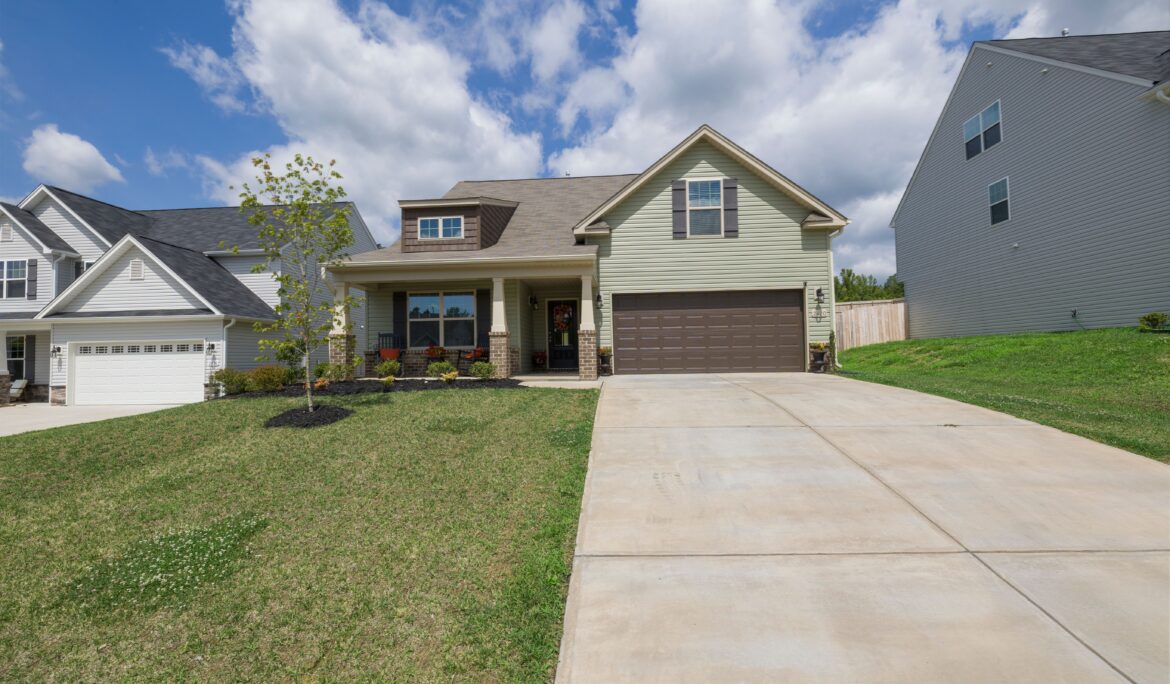
Probate homestead claims arise when surviving family members seek protection for a family residence after a property owner’s death. In California, probate courts may set aside a residence for certain surviving family members during estate administration.
These disputes can involve questions about eligibility, property ownership, and how long the residence should remain protected. Courts consider the family’s circumstances and the estate’s obligations when deciding whether to grant homestead protections.
Understanding Probate Homesteads in California
A probate homestead allows a court to set aside qualifying property for the use of a surviving spouse or minor children. Its purpose is to provide housing protection while the deceased person’s estate is being administered.
Unlike a general homestead exemption, a probate homestead is established through probate proceedings. Courts evaluate the residence and the family’s circumstances under California’s Probate Code.
Determining Eligibility for Homestead Protection
California law generally permits a surviving spouse or minor children to seek a probate homestead. Courts examine the relationship to the deceased and whether the property qualifies for protection.
Eligibility may become disputed when family relationships, property interests, or the residence’s status are unclear. Courts review the relevant evidence before determining who may benefit from the homestead.
Examining Property Ownership and Estate Assets
Courts consider whether the residence is part of the probate estate and what ownership interests the deceased held. Property records, deeds, and estate documents may help establish the nature of those interests.
Ownership questions can become complicated when property is jointly owned or subject to existing claims. Courts must account for the legal interests of other parties when evaluating a proposed probate homestead.
Evaluating the Duration of Homestead Rights
The duration of a probate homestead depends on the circumstances and the protections available under California law. Courts may establish a limited period of occupancy based on the surviving family’s needs.
For a surviving spouse, the court determines the duration of the homestead. Protections for minor children are subject to statutory limitations, including provisions concerning when those children reach adulthood.
Considering Creditors and Other Beneficiaries
Probate homestead claims may affect how estate property is administered and distributed. Creditors and beneficiaries may have interests that must be considered when a residence is set aside.
Courts examine applicable property rights and statutory protections when addressing competing claims. A probate homestead does not automatically eliminate existing liens or other legally enforceable interests in the property.
How Courts Resolve Probate Homestead Disputes
California probate courts review petitions, property records, family circumstances, and objections from interested parties. The court determines whether the requested homestead is authorized and appropriate under the applicable law.
Depending on the circumstances, a court may set aside qualifying property and establish the duration of the protection. The decision reflects the statutory framework governing probate homesteads and the specific facts of the estate.
