
Negligent security claims arise when someone is injured by criminal activity on another person’s property and believes that reasonable security measures could have prevented the harm. In California, these disputes often involve apartment complexes, parking facilities, hotels, and commercial properties.
Courts examine whether the property owner had a responsibility to address foreseeable security risks. These cases may involve previous criminal incidents, existing safety precautions, and whether inadequate security contributed to the resulting injuries.
Understanding Negligent Security Claims
Negligent security claims generally fall under premises liability law, which addresses property owners’ responsibilities for maintaining reasonably safe conditions. These claims may arise when someone is assaulted, robbed, or otherwise injured by another person while on the property.
California courts examine whether the property owner failed to take reasonable precautions against foreseeable criminal activity. However, property owners are not automatically responsible for every crime that occurs on their premises.
Examining Foreseeability of Criminal Activity
Courts consider whether criminal activity was reasonably foreseeable before the incident occurred. Previous crimes, reported safety concerns, and conditions surrounding the property may help establish whether a particular risk should have been anticipated.
The level of foreseeability required depends on the security measures involved. California courts generally require stronger evidence of foreseeable danger before requiring extensive precautions, such as hiring security guards.
Reviewing Existing Security Measures
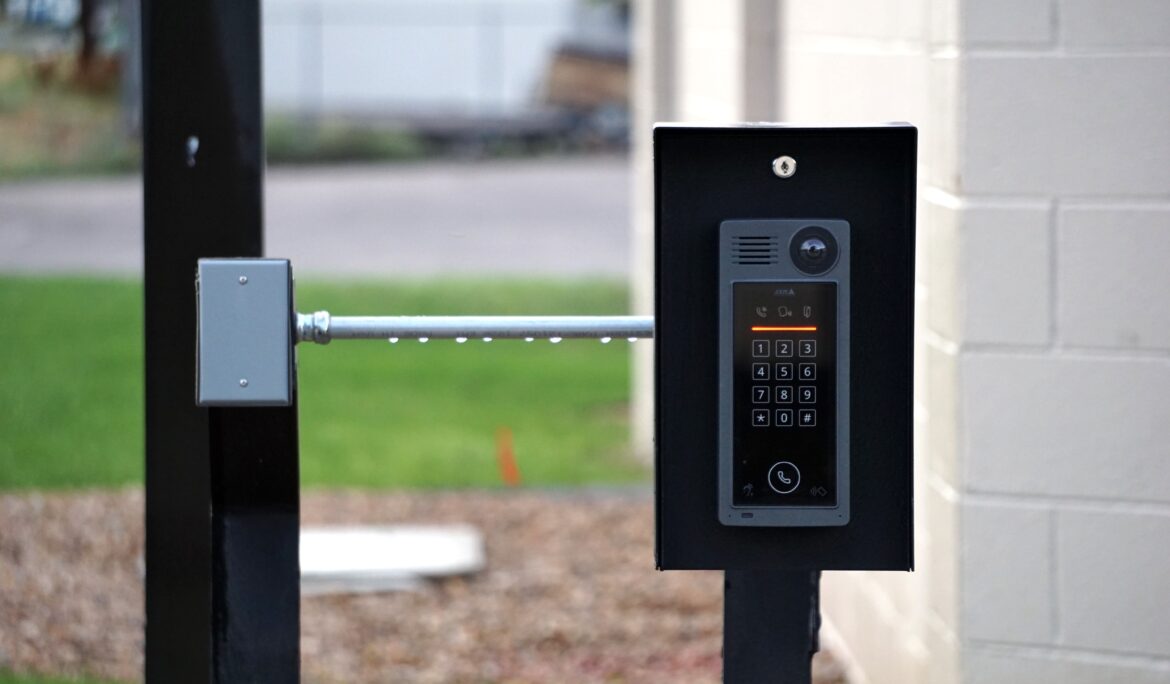
Courts may review the security measures in place when the incident occurred. These can include functioning locks, controlled entrances, outdoor lighting, surveillance cameras, and procedures for responding to safety concerns.
The absence of a particular security feature does not automatically establish negligence. Courts consider whether additional precautions were reasonable given the property’s conditions, known risks, and the effort required to implement them.
Evaluating Property Owner Knowledge
A property owner’s awareness of previous security problems can be important in negligent security disputes. Courts may examine incident reports, tenant complaints, maintenance requests, and communications concerning unsafe conditions.
Courts also consider whether the owner reasonably should have recognized a security risk without receiving a specific warning. The focus is on what was known or reasonably foreseeable before the incident.
Establishing a Connection to the Injury
To establish liability, an injured person must show that the alleged security failures contributed to the harm. Courts examine how the incident occurred and whether reasonable precautions could have helped prevent it.
For example, a broken entrance lock may become relevant if an unauthorized person entered the building and injured a resident. Courts consider whether the security problem was a substantial factor in causing the injury rather than merely being present at the time.
Determining Liability and Available Damages
When negligent security is established, courts evaluate the injuries and financial losses resulting from the incident. Compensation may include medical expenses, lost income, rehabilitation costs, and damages for pain and suffering.
Courts may also consider the responsibility of other parties, including the person who committed the criminal act. The outcome depends on the evidence, the property owner’s responsibilities, and the circumstances surrounding the injury.
